
Endotracheal tubes and tracheostomy tubes both establish an artificial airway. An endotracheal tube reaches the trachea through the mouth or nose and is commonly used for acute airway support. A tracheostomy tube enters through an opening in the neck and can support continued ventilation or secretion management. Each approach serves different airway-management needs.
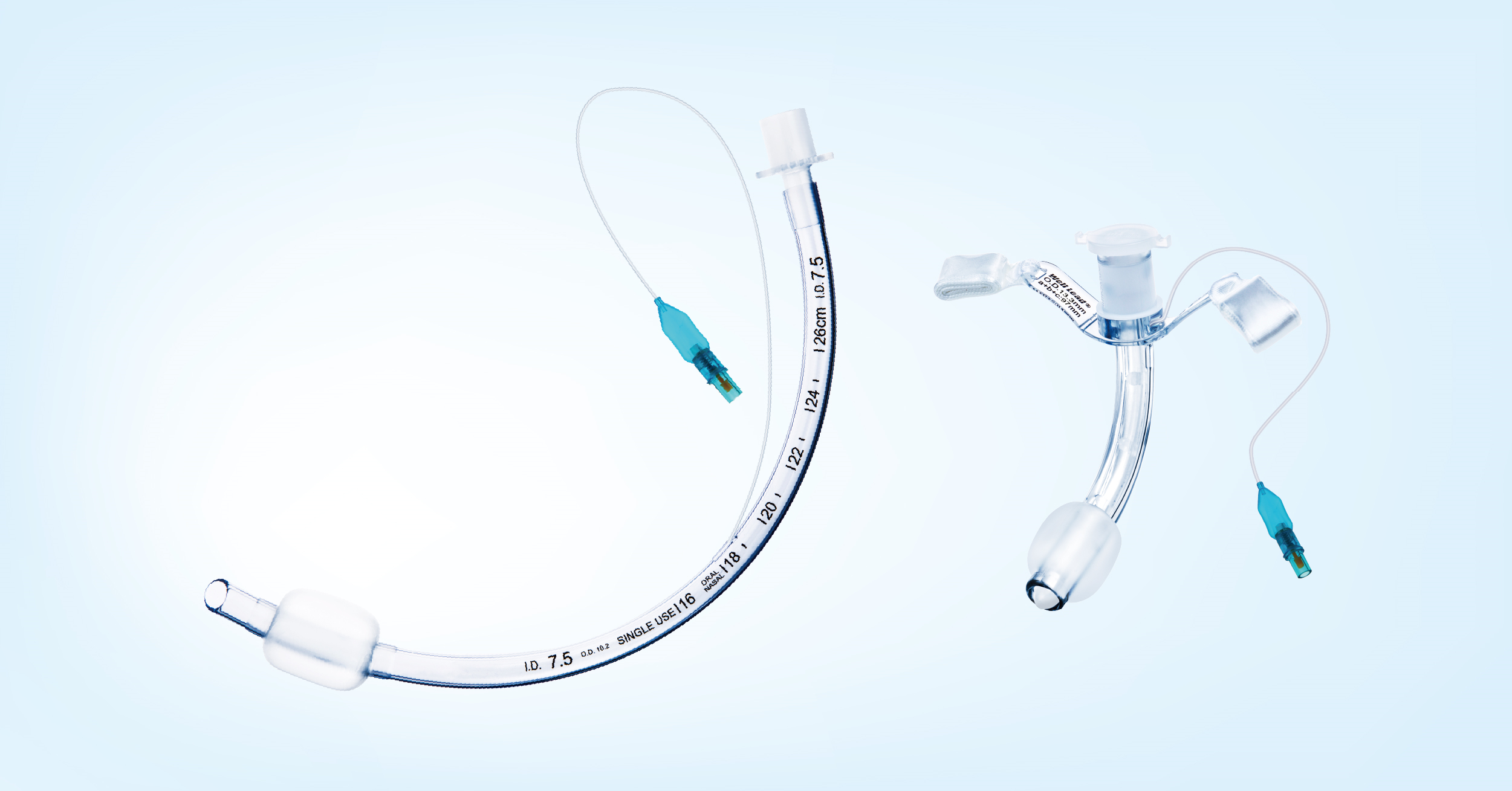
What Is an Endotracheal Tube?
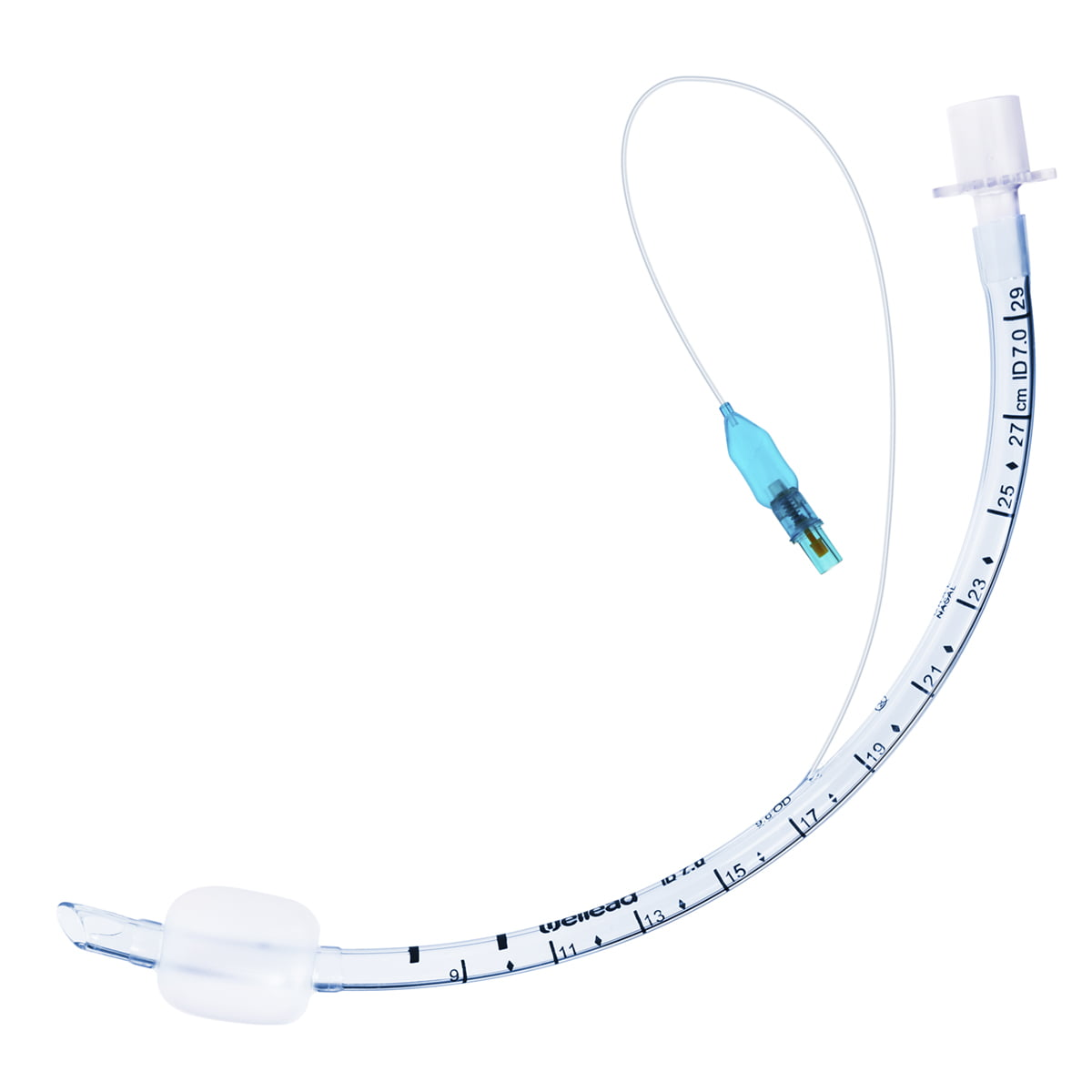
An endotracheal tube (ETT) passes through the mouth or nose, past the vocal cords, and into the trachea. It maintains an open airway and can connect to a ventilator. Common uses include emergency airway management, general anesthesia, and acute respiratory support.
Common Application Scenarios
● Respiratory failure or acute respiratory distress syndrome (ARDS)
● Severe pneumonia requiring mechanical ventilation
● Reduced consciousness with impaired airway protection
● General anesthesia during surgery
● Postoperative respiratory support
Procedure
A clinician guides the tube into the trachea and confirms its position, commonly using exhaled carbon dioxide monitoring alongside clinical assessment. For a cuffed tube, the cuff can be inflated to reduce air leakage during ventilation. The tube is placed without a neck incision.
Because the ETT passes through the vocal cords, patients generally cannot speak while it is in place. Care includes monitoring tube position, managing secretions, and assessing comfort and sedation needs. When continued airway support is anticipated, the care team may consider a tracheostomy.
Well Lead Medical offers standard, oral, nasal, and reinforced tracheal tubes, as well as the SuctionPlus Tracheal Tube with Evacuation Lumen. » Explore Well Lead Medical's endotracheal tube range.
What Is a Tracheostomy Tube?
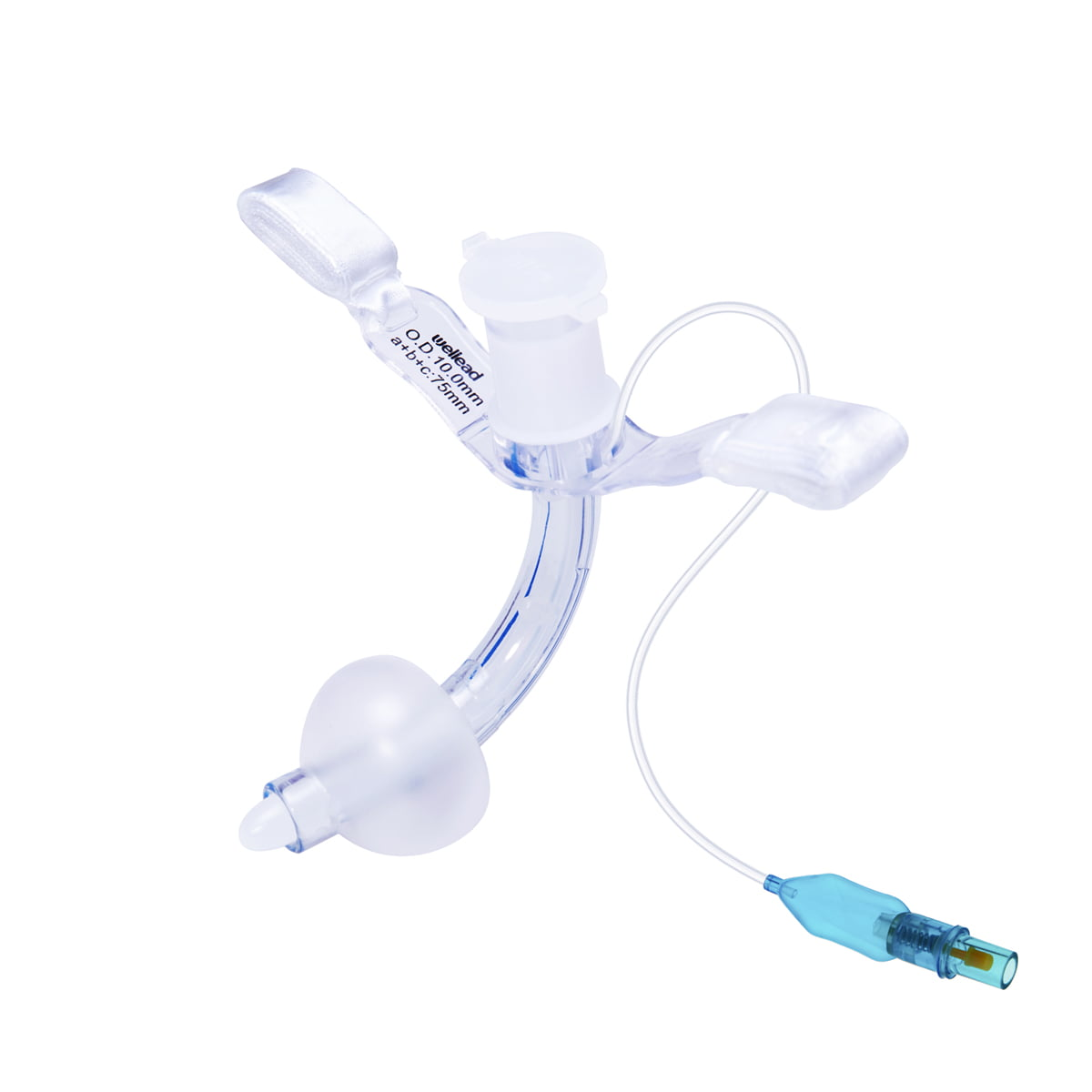
A tracheostomy tube is placed directly into the trachea through an opening in the front of the neck. It can support ventilation, provide an airway when the upper airway is obstructed, and allow access for secretion removal. It is often considered when ongoing airway access is needed.
Common Application Scenarios
A tracheostomy may be considered for:
● Continued mechanical ventilation
● Difficulty with extubation
● Upper-airway obstruction
● Secretions that require frequent airway care
● Neurologic or neuromuscular conditions affecting cough or airway protection
● Selected head and neck procedures
For some patients, a tracheostomy can make ongoing airway care and communication easier. Sedation needs may also change as treatment progresses. These considerations form part of an individualized care plan.
A related distinction is laryngectomy tube vs tracheostomy tube. A laryngectomy tube supports the neck stoma after total removal of the larynx. A tracheostomy tube sits in an opening into the trachea while the larynx remains in place.
Procedure
A clinician creates an opening into the trachea using a surgical or percutaneous technique, then inserts and secures the tube. Ongoing care includes assessing the airway, tube position, secretions, and stoma.
Some patients can speak when airflow passes through the vocal cords. Following clinical assessment, a one-way speaking valve may be used with an uncuffed tube or a fully deflated cuff. Eating depends on the patient’s swallowing function and care plan.
Tracheostomy tubes come in cuffed and uncuffed designs. A cuffed tube can reduce air leakage during ventilation. An uncuffed tracheostomy tube may suit selected patients whose ventilation plan does not require a cuff. Our tracheostomy tube range includes cuffed, uncuffed, and SuctionPlus models. » Explore Well Lead Medical's tracheostomy tube range.
Endotracheal vs. Tracheostomy Tube: Key Differences
Aspect | Endotracheal Tube | Tracheostomy Tube |
Route | Through the mouth or nose | Through an opening in the neck |
Typical use | Acute airway support, anesthesia, or mechanical ventilation | Continued ventilation, upper-airway obstruction, or secretion management |
Position relative to the larynx | Passes through the vocal cords | Bypasses the larynx |
Speech | Generally unavailable while the tube is in place | May be possible with suitable airflow and clinical assessment |
Placement | Inserted through the upper airway | Placed through a surgical or percutaneous opening |
Ongoing care | Airway and tube-position monitoring | Airway, tube, and stoma care |
In an endotracheal vs tracheostomy tube decision, clinicians consider the route of access alongside ventilation, airway protection, and secretion-management needs.
A tracheostomy may follow intubation or be chosen for another clinical indication.
About Well Lead Medical
Founded in 2004 and headquartered in Guangzhou, China, Well Lead Medical is a medical device manufacturer listed on the Shanghai Stock Exchange since 2015. With products covering anesthesia, respiratory care, urology, and other medical fields, Well Lead Medical serves healthcare providers in over 100 countries and regions. Through continuous R&D and a commitment to quality, Well Lead Medical strives to provide reliable medical devices to healthcare professionals worldwide.
Visit the Well Lead Medical official website to explore our endotracheal tubes, tracheostomy tubes, and other anesthesia products.