

Tracheal tubes are essential medical devices used in a variety of clinical settings, particularly for patients who cannot maintain adequate breathing independently. Well Lead Medical provides a range of tracheal tubes designed to support oxygen delivery and respiratory function in critical care. Understanding how do tracheal tubes work is crucial for medical professionals, as these devices ensure that patients receive consistent airflow and ventilation when natural breathing is insufficient.
The Mechanism Behind Tracheal Tubes
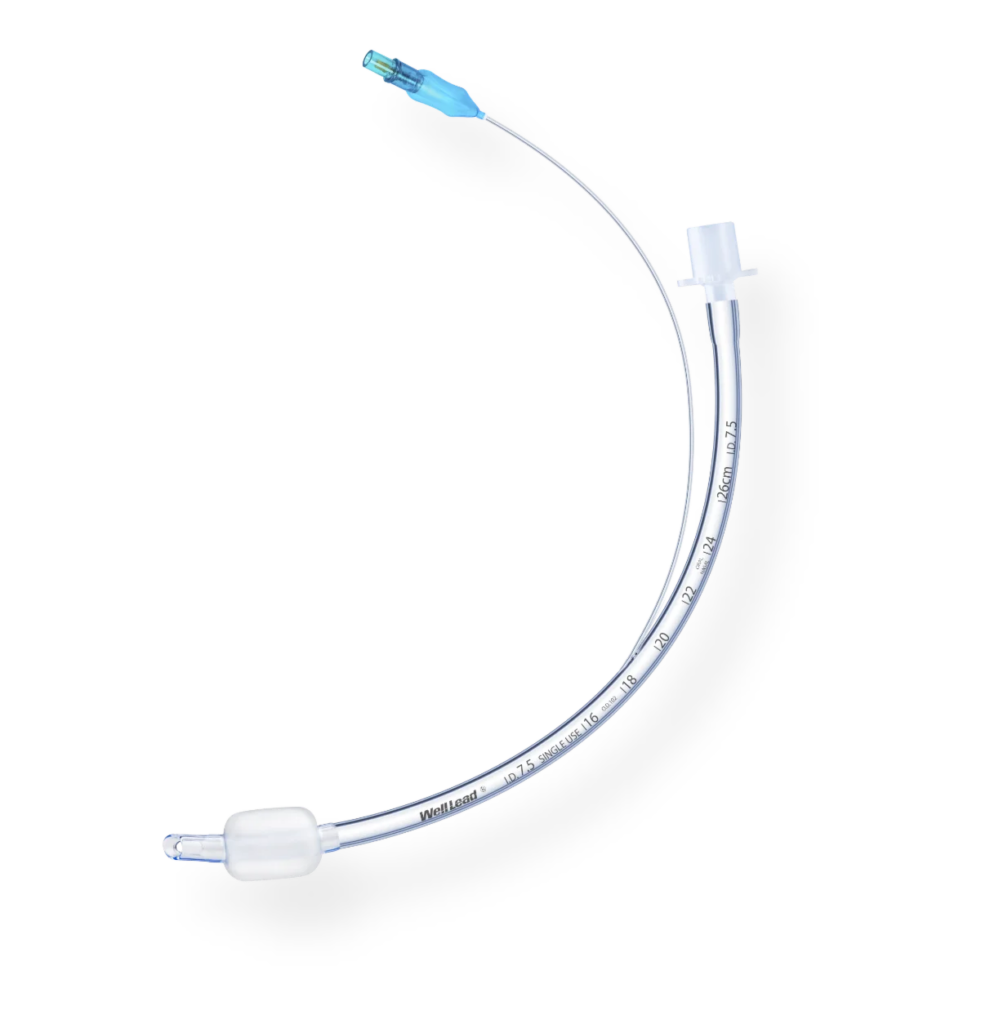
A tracheal tube is inserted through a patient’s mouth or nose into the trachea, forming a direct pathway for air to reach the lungs. The tube connects to an external ventilator or breathing system, allowing controlled delivery of oxygen and anesthetic gases if needed. By maintaining an open airway, the device helps prevent airway obstruction and ensures efficient gas exchange. This functionality directly addresses scenarios where patients are under anesthesia, experiencing respiratory distress, or require mechanical ventilation in intensive care units. When exploring how do tracheal tubes work, it becomes clear that the design and material quality of the tube are critical to patient safety and comfort.
Design Features That Support Respiratory Care
The design of modern tracheal tubes incorporates features that enhance stability and reduce complications. Many tubes from Well Lead Medical include a soft, flexible structure that minimizes tissue irritation during insertion and long-term use. Additionally, integrated connectors allow secure attachment to ventilators and monitoring devices, ensuring uninterrupted airflow. Proper sizing and material selection are essential to prevent accidental displacement or trauma to the airway. For those studying how do tracheal tubes work, it is important to note that these design considerations directly impact the effectiveness of ventilation and the overall safety of the patient.
Clinical Applications and Safety Considerations
Tracheal tubes are frequently utilized in operating rooms, emergency care, and intensive care units. They provide a reliable method for maintaining oxygenation in patients who are unable to breathe spontaneously. By understanding how do tracheal tubes work, clinicians can make informed decisions about insertion techniques, tube selection, and monitoring protocols. Proper training and adherence to safety guidelines are essential to minimize risks such as accidental tube displacement, airway injury, or infection. Devices from Well Lead Medical are designed to meet these clinical needs, offering consistent performance in a range of healthcare environments.
Conclusion: Supporting Effective Ventilation
In summary, tracheal tubes play a vital role in modern medical practice by maintaining airway patency and supporting mechanical ventilation. Through careful design and material selection, Well Lead Medical ensures that these devices function reliably across various clinical scenarios. Understanding how do tracheal tubes work allows healthcare professionals to optimize patient care, enhance safety, and improve outcomes. As a trusted provider of respiratory and anesthetic equipment, Well Lead Medical continues to supply high-quality tracheal tubes and related devices that support critical care across healthcare facilities worldwide.