

When discussing urinary health and catheterization, one common concern is whether using hydrophilic catheters increases the risk of urinary tract infections (UTIs). Many patients and healthcare professionals search for clarity on this topic. The question “can hydrophilic catheters cause UTI” reflects a need to understand how product design, material choice, and usage practice affect safety. With urinary catheters being frequently used in hospitals and home care settings, reliable information is essential.
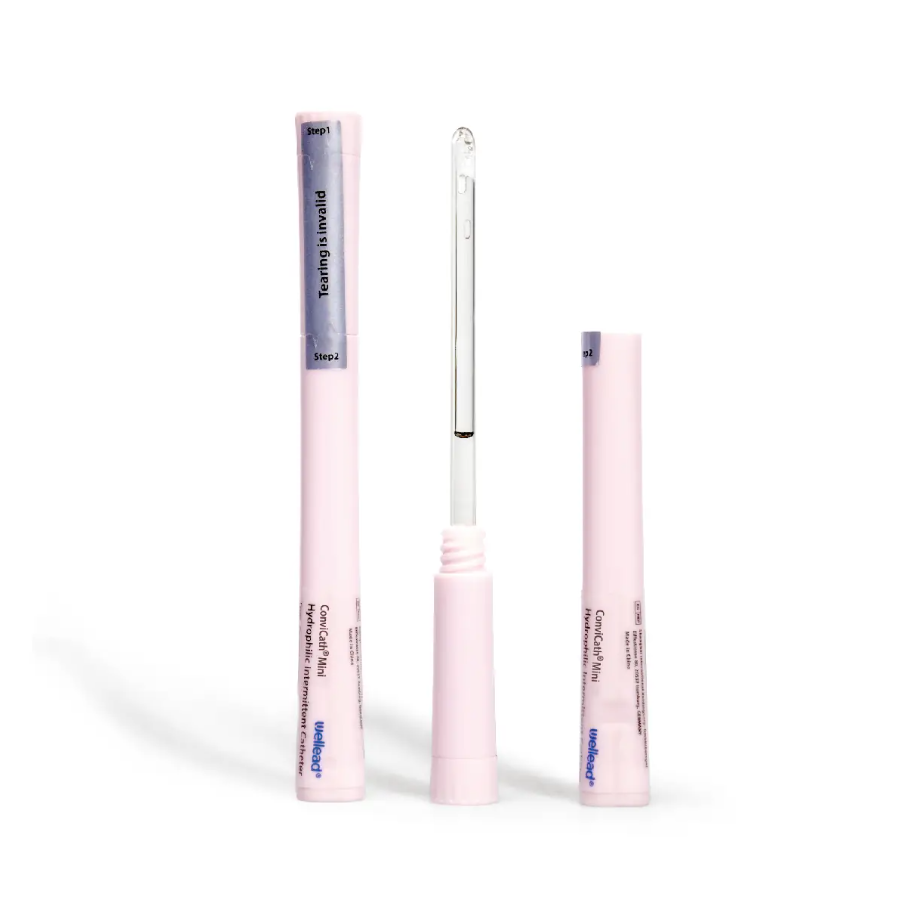
Examining the Relationship Between Hydrophilic Catheters and UTIs
The idea that hydrophilic catheters might cause UTIs is based on the fact that any catheter, regardless of type, can provide a pathway for bacteria to enter the urinary system. However, the special coating of a hydrophilic catheter is designed to reduce friction during insertion and removal. By minimizing urethral irritation, it may reduce complications that could otherwise increase the risk of infection. The real answer to “can hydrophilic catheters cause UTI” is that while no catheter is completely risk-free, hydrophilic catheters are clinically shown to help reduce the risk of urinary tract infections compared with conventional catheters when used according to medical guidelines.
Insights from Clinical Practices and Research
Medical studies and clinical experience show that technique, hygiene, and the duration of catheter use are more influential in UTI risk than the catheter type itself. For example, intermittent catheterization with hydrophilic options is often considered safer than long-term indwelling catheters, since bacteria have less time to colonize. In practice, whether hydrophilic catheters contribute to infection depends largely on how they are used. Asking the question “can hydrophilic catheters cause UTI” highlights the importance of healthcare training and patient education rather than suggesting the product itself is unsafe.
The Role of Trusted Medical Suppliers
As with any medical product, sourcing from reputable providers ensures consistency in quality. Companies such as Well Lead Medical are recognized for offering a broad range of single-use catheters and related devices designed to support patient safety. By following strict international standards, suppliers like Well Lead Medical provide healthcare professionals with reliable products that can be applied in diverse clinical settings. This reinforces the point that the answer to “can hydrophilic catheters cause UTI” is not about the material alone, but about responsible design, regulated production, and professional handling.
Conclusion
In conclusion, the concern “can hydrophilic catheters cause UTI” should be addressed with a balanced understanding. Hydrophilic coatings aim to reduce trauma, and while no medical device is risk-free, the overall risk of infection is strongly influenced by clinical technique and adherence to medical guidelines. When supplied by trusted companies like Well Lead Medical, hydrophilic catheters remain an important option for patients who require intermittent urinary management. The focus should not only be on the product itself, but also on how it is applied in real-world healthcare practices.