

In modern medical practice, understanding the tools used for respiratory support is essential. Well Lead Medical provides a wide range of respiratory care products, including tracheal tubes, which are critical for patients requiring assisted breathing. Among the frequently asked questions is the difference between ventilator and tracheal tube, as both are essential in critical care but serve distinct roles in patient management.
Function and Purpose
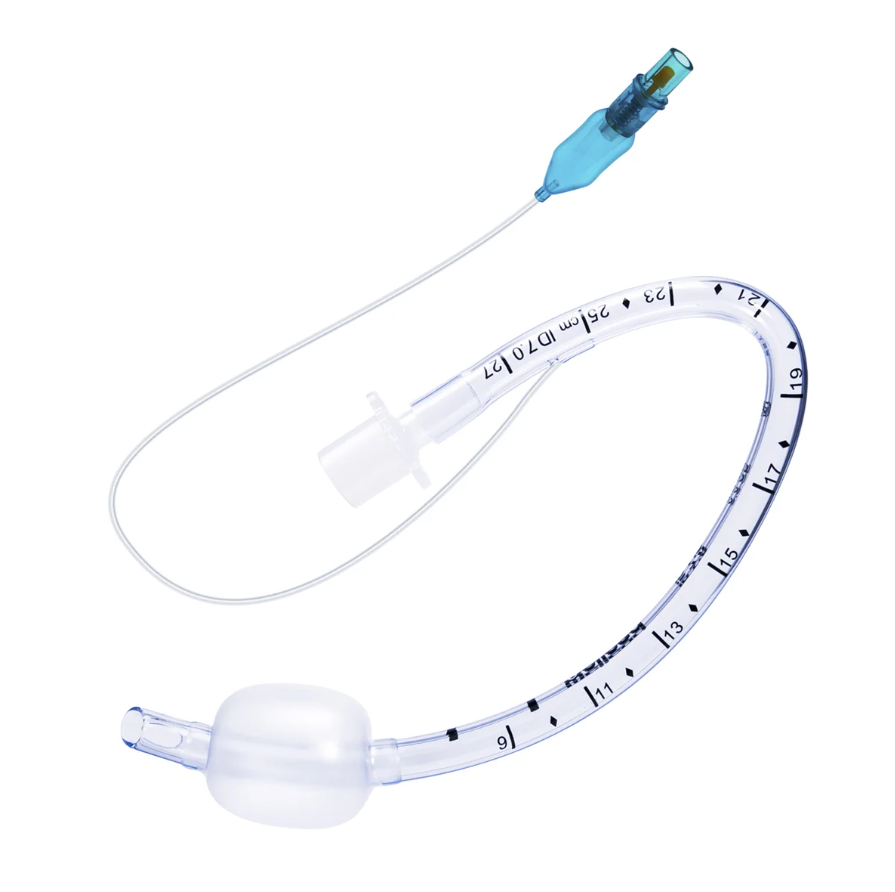
A ventilator is a medical device designed to provide mechanical breathing support for patients who are unable to breathe adequately on their own. It can control the volume, pressure, and rate of airflow, adapting to the patient’s respiratory needs. On the other hand, a tracheal tube, also known as an endotracheal tube, is a catheter inserted into the trachea to maintain an open airway. While the ventilator provides the necessary airflow, the tracheal tube acts as the conduit, ensuring oxygen and anesthetic gases reach the lungs efficiently. The difference between ventilator and tracheal tube lies primarily in this functional relationship: one is the mechanical provider of ventilation, while the other ensures access to the respiratory tract.
Types and Design Considerations
Well Lead Medical manufactures tracheal tubes with features that enhance patient safety and comfort. Ventilators, however, come in multiple configurations ranging from basic life-support models to advanced systems capable of complex respiratory therapy. The design of a tracheal tube must consider size, material, and compatibility with ventilators, as improper selection can affect both ventilation efficiency and patient outcomes. Understanding the difference between ventilator and tracheal tube helps healthcare providers choose the appropriate combination for each clinical scenario, improving care quality and reducing potential complications.
Clinical Applications
The clinical application of these devices illustrates their complementary nature. Ventilators are commonly used in intensive care units for patients with respiratory failure or during anesthesia for surgery. Tracheal tubes are inserted when airway management is necessary, often in emergency situations or as part of a controlled ventilation setup. Well Lead Medical emphasizes the importance of high-quality tracheal tubes, as they directly influence the effectiveness of ventilator support. Highlighting the difference between ventilator and tracheal tube in clinical practice helps medical staff optimize patient care strategies and ensures safe respiratory management.
Conclusion
In summary, the difference between ventilator and tracheal tube lies in their respective roles: one provides mechanical respiratory support, while the other maintains airway access. Products from Well Lead Medical cater to these critical needs, offering reliable and safe options for respiratory care. Understanding this distinction is crucial for healthcare professionals to deliver effective treatment, and selecting the right combination of ventilator and tracheal tube ensures patient safety and optimal outcomes.