

Catheterization plays an important role in healthcare, especially for patients who face difficulties with bladder emptying. Learning how to insert a female intermittent catheter requires proper guidance, careful technique, and the use of reliable medical devices. Among the trusted options available on the market, products from Well Lead Medical have gained attention for their focus on safety, patient comfort, and consistent quality. This article outlines general considerations around female intermittent catheterization, explains common practices, and highlights why dependable devices are essential.
General Considerations for Female Intermittent Catheterization
Understanding how to insert a female intermittent catheter starts with knowing the anatomy and purpose of the procedure. Female patients typically require a shorter catheter compared to male patients, and the process is designed for intermittent use rather than continuous drainage. The method is often recommended for individuals who have urinary retention, certain neurological conditions, or those recovering from surgery. While healthcare professionals perform this procedure in hospital environments, it can also be taught to patients for home use under strict medical supervision.
During insertion, hygiene is of primary importance. Clean hands, sterile supplies, and a calm environment minimize risks of infection. Lubrication helps reduce friction, ensuring the catheter passes smoothly into the bladder. Once urine begins to drain, the device should remain in place only until the bladder is emptied, after which it can be carefully removed. Proper disposal of single-use catheters is necessary to maintain safety standards and avoid complications.
Why Product Quality Matters in Intermittent Catheterization
Even with proper technique, the outcome of how to insert a female intermittent catheter is strongly influenced by the quality of the device itself. Materials, flexibility, and surface coatings all affect patient comfort and clinical safety. Poorly made catheters may cause unnecessary irritation or increase the likelihood of urinary tract infections. Healthcare providers and patients therefore seek products from reputable medical suppliers.
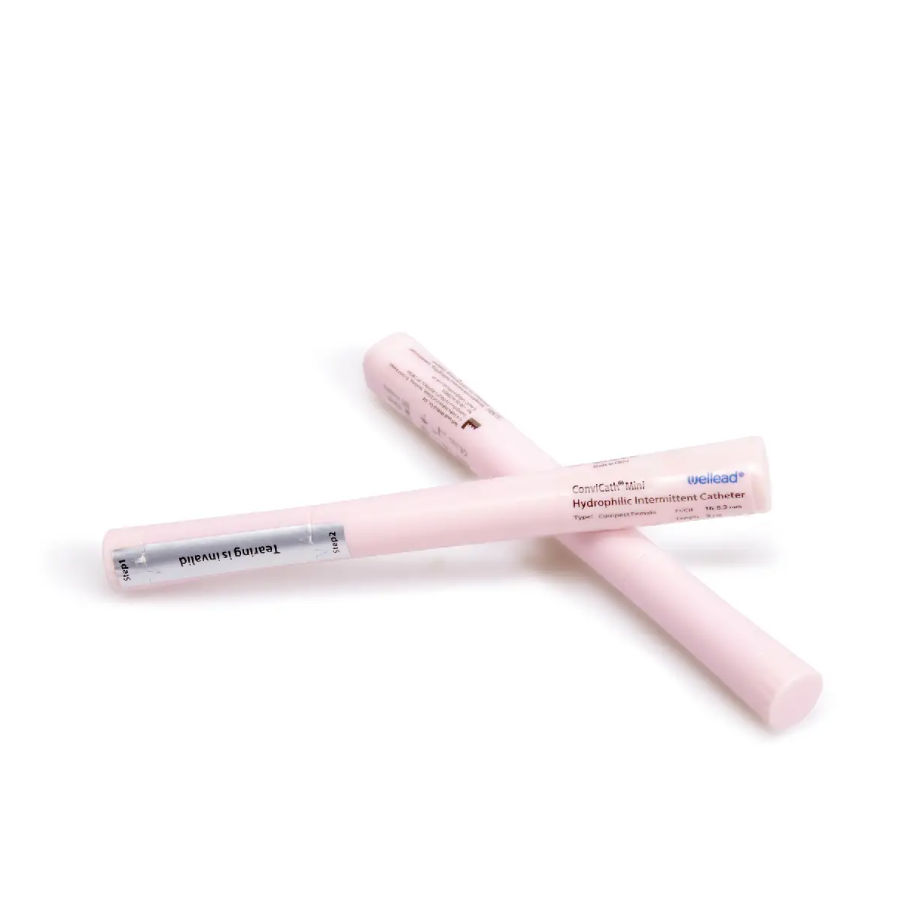
Well Lead Medical has been supplying a wide range of disposable catheters to international markets, with careful attention to material safety and product consistency. Their hydrophilic intermittent catheter range is designed to reduce friction and improve patient experience during insertion. For hospitals, clinics, and distributors, choosing such products ensures both compliance with medical standards and reliability in everyday use.
Conclusion
In summary, what is an endotracheal tube can be explained as a critical medical device designed to maintain an open airway and enable mechanical ventilation when necessary. Its applications range from routine surgeries to emergency care, making it a vital tool in modern medicine. By choosing dependable products from trusted companies like Well Lead Medical, healthcare institutions can strengthen patient safety and ensure reliable treatment outcomes.