

Core body temperature is a critical physiological parameter that directly affects patient outcomes, especially in Perioperative hypothermia and critical care settings.
The Foley catheter with temperature sensor integrates urinary drainage with continuous core body temperature monitoring. It enables clinicians to track bladder temperature in real time, providing a practical, clinically reliable approach to temperature management in high-acuity environments.
What is a Foley Catheter with Temperature Sensor?
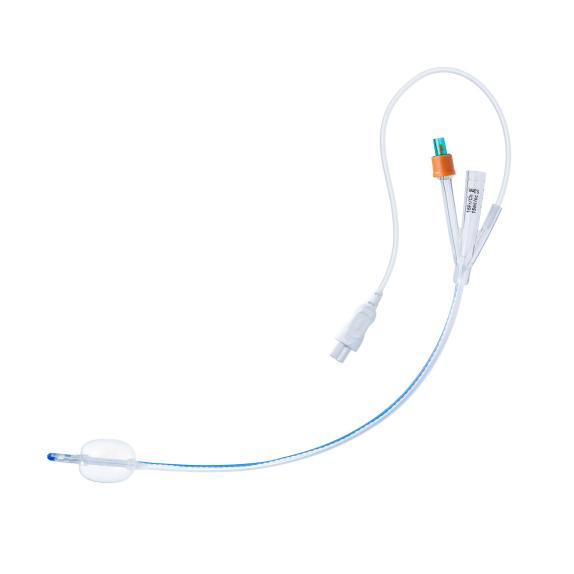
The Foley catheter with temperature sensor is based on a standard indwelling Foley catheter design, with an integrated thermistor. This structure allows simultaneous urine drainage and temperature signal acquisition without additional invasive access.
The device typically includes a drainage lumen, an inflatable retention balloon, and a temperature-sensing element embedded near the bladder end, connected to an external monitor.
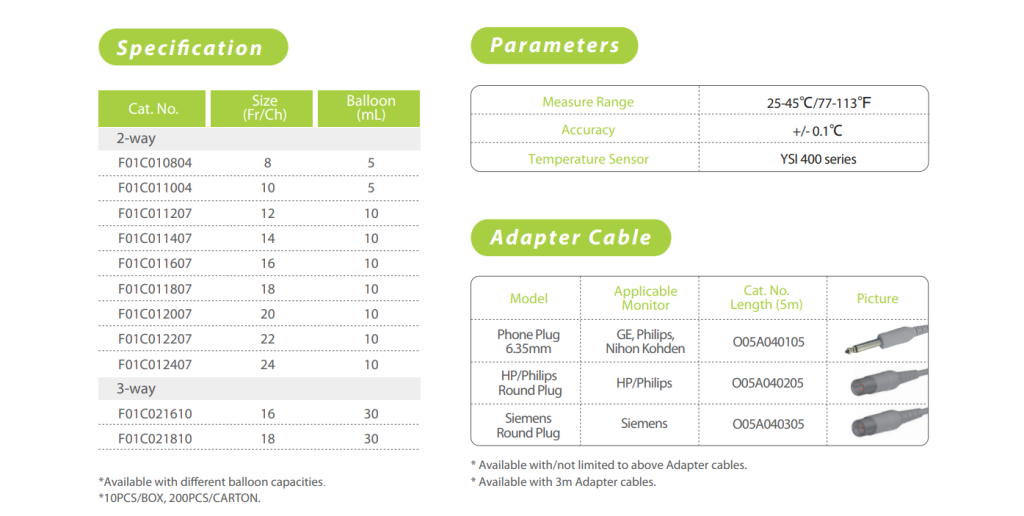
Common Foley catheter sizes typically range from 8 Fr to 24 Fr, with balloon capacities from 5–30 mL, depending on clinical requirements and catheter design.
Core Body Temperature Monitoring Function
The system uses a thermistor, commonly a 400-series temperature-sensitive resistor, to continuously measure bladder temperature. Data is transmitted to bedside monitors, providing real-time trends in core temperature.
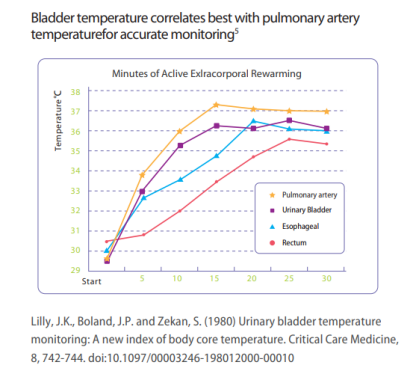
Bladder temperature measurement has been used since the 1980s and is widely regarded as a reliable method for estimating core body temperature.
Comparative studies show that bladder thermometry is considered as effective as or superior to other methods:
• Rectal temperature: slower response to physiological changes
• Esophageal temperature: not suitable for awake patients
• Skin temperature: lower accuracy and poor correlation with core temperature
During the postoperative rewarming phase, bladder temperature has been observed to rise more rapidly than rectal and esophageal temperature, reflecting faster response dynamics.
Overall, bladder thermometry is described as reliable, safe, convenient, and accurate in clinical practice.
Foley Catheter with Temperature Sensor VS Conventional Foley Catheter
Compared with standard Foley catheters, the Foley catheter with temperature sensor provides continuous core temperature monitoring without requiring additional invasive devices.
Silicone-based versions, such as the silicone Foley catheter with temperature sensor, offer improved biocompatibility, reduced irritation risk, and better tolerance for indwelling use.
This combination of drainage and monitoring reduces equipment redundancy and improves data continuity in clinical workflows.
Current Clinical Applications
The Foley catheter with temperature sensor is primarily used for urinary drainage and also enables continuous core temperature monitoring.
1. Perioperative Care and Operating Rooms (OR)
Maintaining normothermia is an important goal in anesthesia and surgery. This device supports continuous core temperature monitoring and helps clinicians identify perioperative hypothermia early.
2. Intensive Care Unit (ICU)
In critically ill patients, it provides continuous temperature trends during urinary drainage, which supports ongoing clinical assessment in patients with sepsis, fever, or unstable hemodynamics.
3. Cardiac Surgery
During cardiopulmonary bypass and postoperative recovery, precise temperature control is essential. Continuous monitoring helps clinicians manage temperature changes more consistently.
4. Neurosurgery
Neurological procedures often require stable physiological conditions. Continuous core temperature monitoring helps support careful intraoperative management.
5. Burn Surgery
Severe burn patients may have impaired thermoregulation and high fluid loss. Continuous monitoring can support temperature management during treatment and recovery.
Across these settings, the Foley catheter with temperature sensor supports continuous core temperature monitoring while fulfilling its primary role in urinary drainage.
All Silicone Foley Catheter with Temperature Sensor
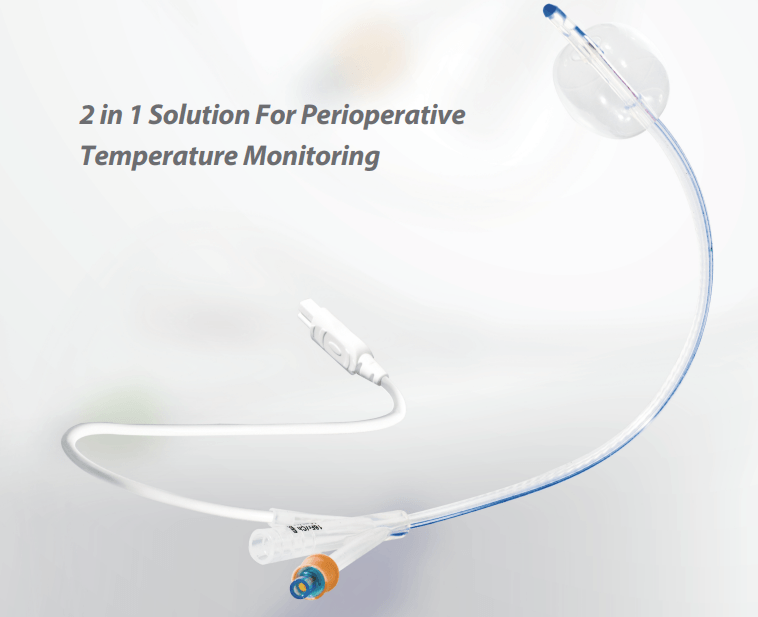
The All Silicone Foley Catheter with Temperature Sensor from Well Lead Medical is a commercially available product designed for urinary drainage and continuous bladder temperature monitoring.
Key product specifications include:
• 100% medical-grade silicone catheter material
• YSI 400 series thermistor
• Temperature measurement range: 25°C–45°C
• Measurement accuracy: ±0.1°C
The catheter is available in:
• 2-way and 3-way configurations
• Size range: 8 Fr to 24 Fr
• Balloon volumes that vary by model, including 5 mL, 10 mL, and up to 30 mL.
In hospital use, this Foley catheter with temperature sensor is often paired with catheter kits and urine collection bags as part of routine care.
The system is designed to be compatible with selected patient monitoring equipment via dedicated adapter interfaces.
Conclusion
The Foley catheter with temperature sensor integrates urinary drainage with continuous temperature monitoring, making it suitable for clinical settings with high temperature management requirements.
For more information on Well Lead Medical’s product specifications, models, or procurement details, please visit the official website www.wellead.com or contact us directly for further assistance.