

Intermittent catheterization is an essential solution for patients who experience difficulties in emptying their bladders effectively. Healthcare professionals frequently rely on various devices to ensure safety, comfort, and efficiency in clinical practice. Among these solutions, the types of intermittent catheters available today demonstrate how medical technology continues to advance in meeting patient needs. Companies like Well Lead Medical have contributed to making such products accessible for hospitals and clinics around the world, ensuring consistent supply and compliance with international standards.
Understanding Intermittent Catheters in Clinical Practice
Intermittent catheters are designed for patients who require temporary assistance in draining urine from the bladder. These catheters are not intended for permanent placement but are instead inserted and removed as needed. The different types of intermittent catheters often vary in design, coating, and material, each option developed to accommodate specific patient conditions and healthcare environments. Well Lead Medical provides a range of options that align with modern requirements, addressing comfort and reducing potential risks during use. For physicians and caregivers, selecting the right option can play an important role in improving patient outcomes and reducing complications.
Common Designs and Features
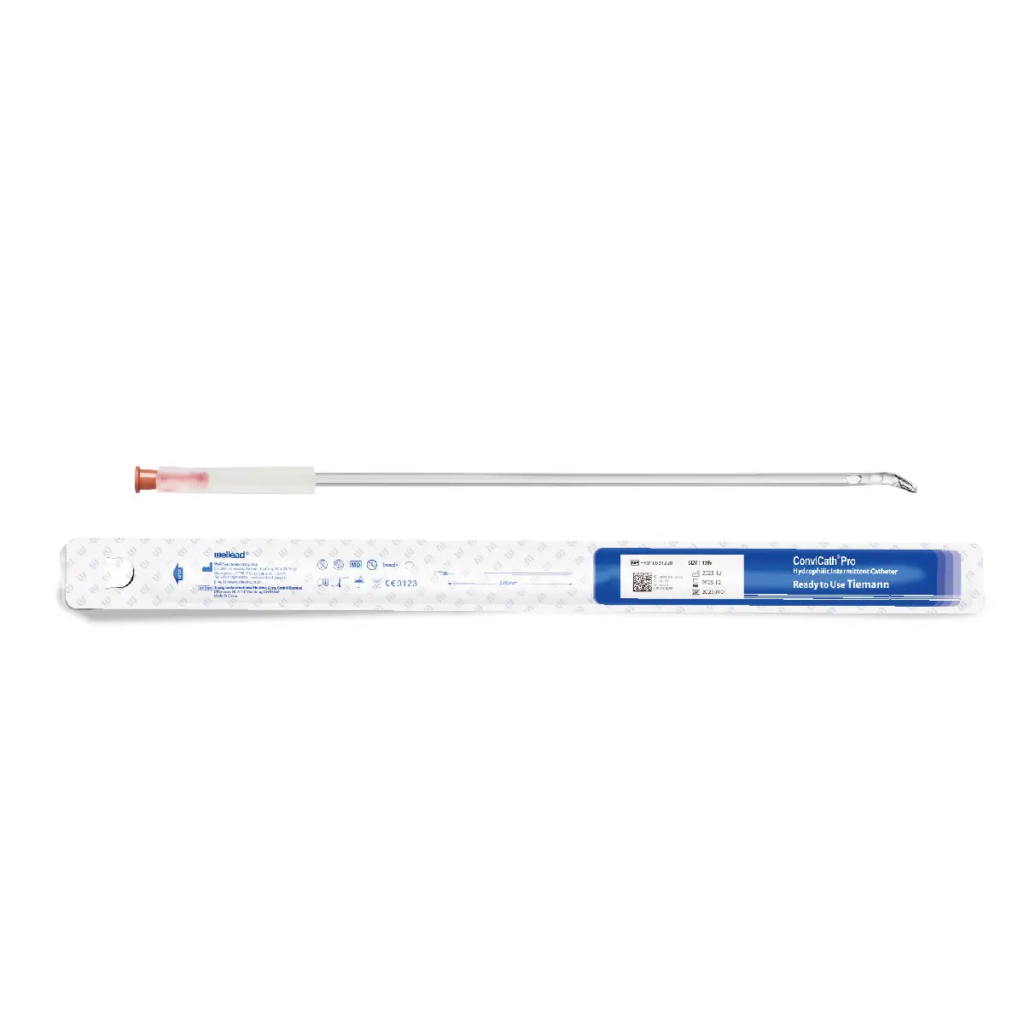
In the healthcare industry, the types of intermittent catheters are commonly distinguished by their lubrication methods and materials. Some are pre-lubricated to allow easier insertion, while others may require additional lubrication before use. Hydrophilic-coated catheters, for example, become slippery when activated with sterile water, enhancing comfort during insertion. Straight-tip versions are available for general use, while coude-tip options are offered specifically in male designs to address certain anatomical needs. Well Lead Medical has developed products with careful attention to material quality, ensuring biocompatibility and adherence to international safety requirements. By offering these variations, the company supports hospitals, clinics, and long-term care facilities in providing tailored patient care.
Clinical Importance and Applications
The safe and effective use of the types of intermittent catheters is critical for patients with urinary retention, spinal cord injuries, or neurological conditions that affect bladder control. Medical staff are trained to consider patient-specific factors, such as sensitivity to materials, frequency of catheterization, and ease of handling. With a strong focus on product reliability, Well Lead Medical supports healthcare institutions that aim to minimize risks while ensuring patients receive appropriate treatment. By prioritizing usability and safety, such products contribute to maintaining patient dignity and reducing complications related to bladder management.
Conclusion
The range of types of intermittent catheters available today reflects the evolving standards of patient care and medical technology. Devices that combine safety, comfort, and efficiency are now essential in both hospital and homecare environments. As a global provider of medical consumables, Well Lead Medical continues to deliver solutions that align with clinical requirements, offering healthcare professionals reliable tools to improve patient outcomes. For institutions seeking dependable catheter products, this company remains a trusted partner in advancing modern healthcare practices.