

In medical practice, terms like “endotracheal tube vs tracheal tube” often cause confusion. While many believe these two terms describe different products, they actually refer to the same medical device used for airway management during surgical procedures or in critical care situations. This article will clarify the confusion surrounding “endotracheal tube vs. tracheal tube,” explaining their similarities and the interchangeable use of the terms. Additionally, it will introduce Well Lead Medical’s high-quality endotracheal tube solutions.
Are Endotracheal Tubes and Tracheal Tubes the Same?
Despite the slight difference in terminology, the endotracheal tube and the tracheal tube serve the same purpose and are functionally identical. The primary goal of both is to secure the patient’s airway during surgery or mechanical ventilation. In fact, medical professionals across the world may use these terms interchangeably, depending on regional preferences or specific medical practices.
An endotracheal tube (ETT) is typically inserted into the trachea to allow for controlled breathing during surgery, while the term “tracheal tube” often refers to the same device. Essentially, there is no real difference in their function or application. Both types are designed to maintain the airway open and facilitate the safe delivery of oxygen and anesthesia gases during critical procedures.
Why Is the Confusion Over Endotracheal Tube vs. Tracheal Tube Common?
The confusion surrounding “endotracheal tube vs. tracheal tube” often arises because of the naming conventions used in different contexts. “Endotracheal” refers to the placement of the tube within the trachea, while “tracheal” simply describes the location of the tube. The distinction is largely semantic, and in clinical environments, both terms refer to the same product, with variations in their design and intended use across manufacturers and healthcare providers.
Well Lead Medical‘s Endotracheal Tube Solutions
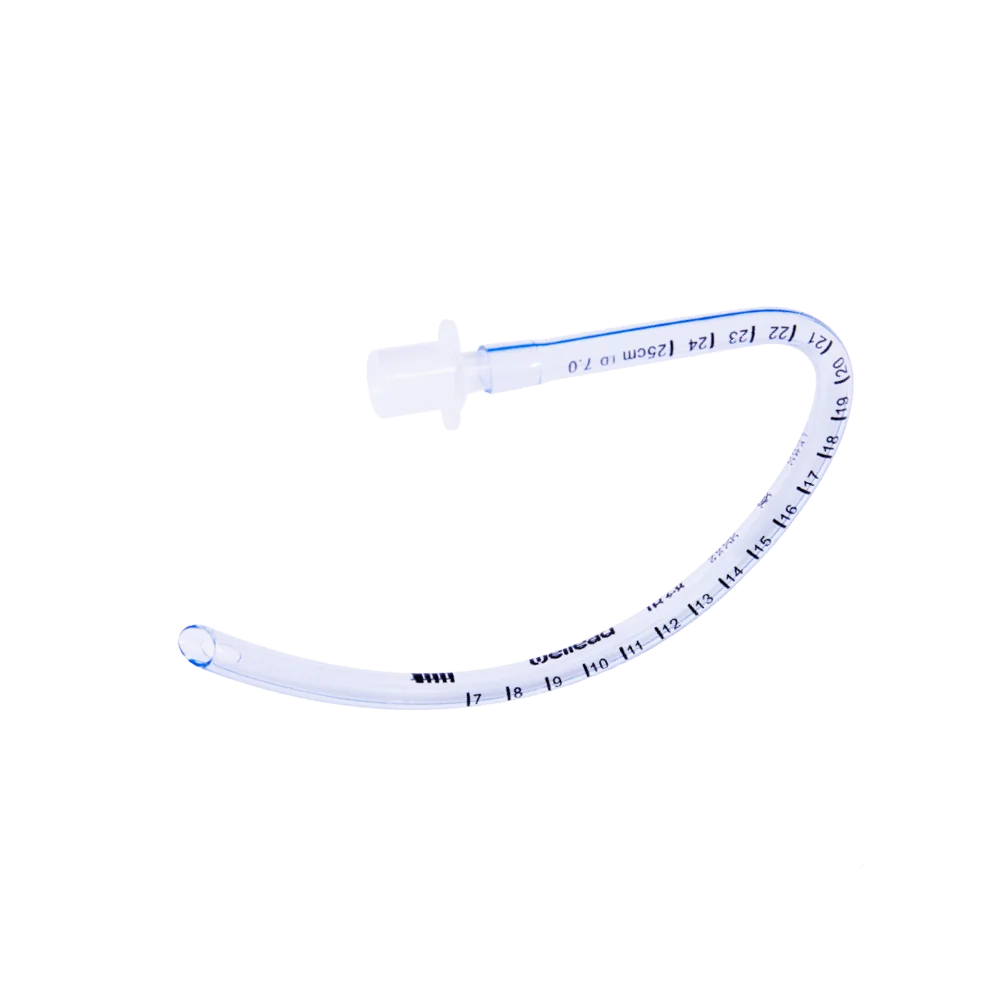
Well Lead Medical provides a comprehensive range of high-quality endotracheal tubes designed for precision and safety. Well Lead Medical’s tubes are equipped with the Murphy Eye and Magil Type for optimal placement and functionality during insertion. These features ensure that the airway remains secure and that the risk of complications is minimized.
Well Lead Medical‘s endotracheal tubes are available in a variety of designs, including options with high-volume, low-pressure cuffs and low-profile cuffs. The flexible design ensures a comfortable and secure fit, reducing the risk of airway damage. Additionally, Wellead’s tubes are radiopaque, allowing for clear identification on radiographic images—crucial for accurate positioning.
Furthermore, Well Lead Medical’s tubes come with a reliable valve to maintain cuff integrity and a 15mm connector, ensuring compatibility with all standard equipment. These features highlight Well Lead Medical’s commitment to providing superior products that enhance patient safety and comfort in critical care and surgical settings.
Conclusion
While “endotracheal tube vs. tracheal tube” may sound like a debate, both terms refer to the same medical device used for airway management. Well Lead Medical offers state-of-the-art endotracheal tubes, designed with advanced features to meet the needs of healthcare professionals and ensure the safety and comfort of patients during surgical and critical procedures. Whether you refer to it as an endotracheal or tracheal tube, Well Lead Medical’s solutions are built for reliability and precision in medical settings.