

Airway management is a critical aspect of modern medical practice, particularly in surgical and emergency settings. Choosing the appropriate device can significantly impact patient safety and clinical outcomes. Well Lead Medical offers a range of products designed for airway management, including devices that cater to different clinical needs. Among these, the endotracheal tube vs esophageal tracheal tube comparison is often a key consideration for healthcare professionals. Understanding the differences between these devices helps clinicians select the proper option for each patient scenario.
Key Differences in Design and Function
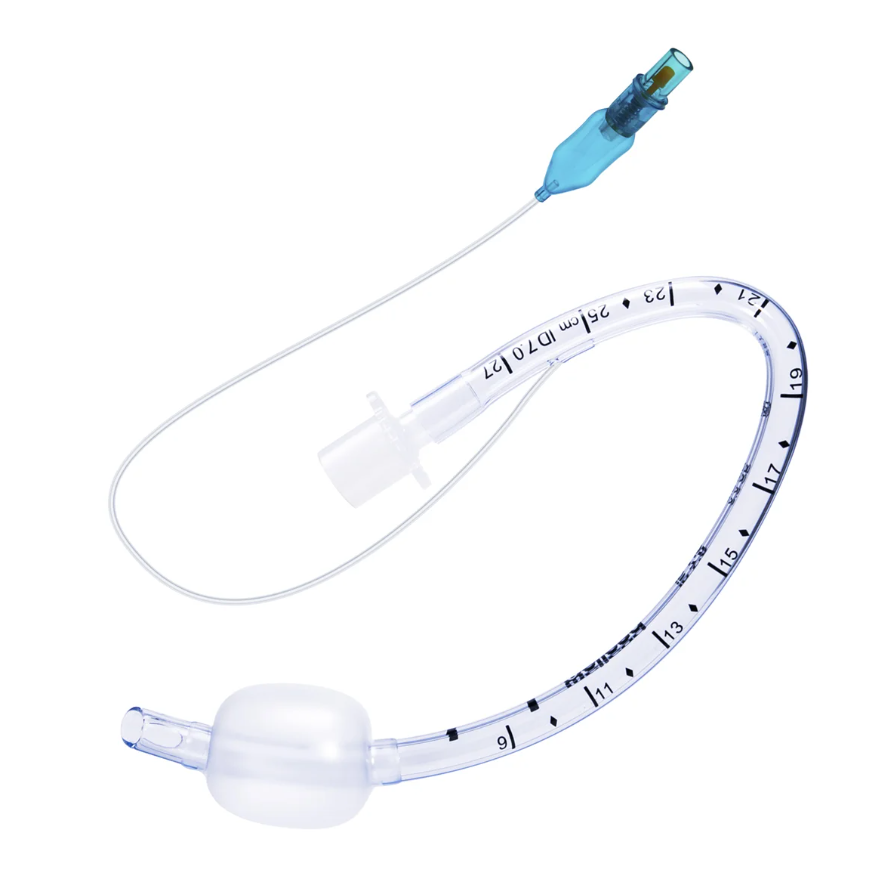
The endotracheal tube vs esophageal tracheal tube serves distinct purposes in patient care. An endotracheal tube is primarily intended for intubation of the trachea to secure the airway and provide mechanical ventilation. It ensures direct access to the lungs, which is essential for patients under general anesthesia or those requiring respiratory support. On the other hand, an esophageal tracheal tube is designed for situations where rapid airway control is needed, such as in emergency resuscitation, and it can be inserted with less precision in certain cases. Clinicians should be aware that while both devices facilitate ventilation, their anatomical targets and insertion techniques differ significantly.
Clinical Considerations for Usage
When evaluating the endotracheal tube vs esophageal tracheal tube, several clinical factors come into play. Endotracheal tubes are commonly used in controlled environments, such as operating rooms or intensive care units, due to their ability to provide stable airway management. They are often chosen when prolonged ventilation is anticipated. In contrast, esophageal tracheal tubes may be preferred in emergency situations or prehospital care, where speed of insertion is crucial. Well Lead Medical emphasizes that proper training and familiarity with both devices are essential to minimize complications such as aspiration, misplacement, or airway trauma.
Advantages and Limitations
Each device has specific advantages and limitations. The endotracheal tube provides a more secure airway and allows for accurate monitoring of ventilation, while the esophageal tracheal tube offers a rapid solution in critical situations. Selection should be guided by the clinical context, patient condition, and intended duration of use. The design quality, material safety, and manufacturing standards of these devices, as offered by Well Lead Medical, ensure reliable performance and adherence to medical safety requirements.
Conclusion: Safe and Effective Airway Management
In summary, understanding the endotracheal tube vs esophageal tracheal tube distinction is vital for optimal airway management. Clinicians must consider insertion technique, patient condition, and procedural requirements when selecting the appropriate device. Well Lead Medical provides a comprehensive range of airway management products that meet international safety standards, ensuring that healthcare providers have access to reliable and effective solutions for both routine and emergency care. Proper selection and usage of these devices can improve patient outcomes and support efficient clinical practice.