

Medical professionals often explore multiple tools for airway management and patient care. One frequently asked question is, “can a tracheal tube be used as a suction catheter“? Well Lead Medical provides a range of airway management devices, including endotracheal tubes, which are designed to assist patients who cannot breathe independently. Understanding the appropriate use of these devices is critical for patient safety and effective clinical outcomes.
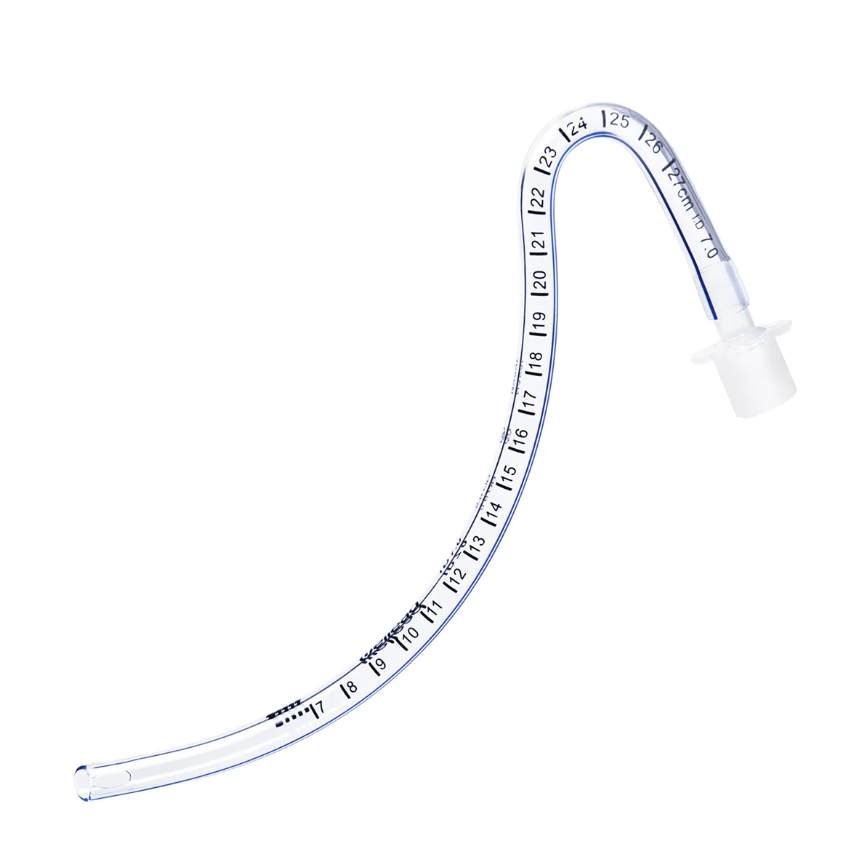
Functionality and Intended Use of Tracheal Tubes
A tracheal tube is primarily designed to establish and maintain an open airway. It allows connection to ventilators to provide controlled oxygen delivery for patients under anesthesia or those with respiratory insufficiency. While a tracheal tube may facilitate access to the airway, it is not intended as a substitute for a suction catheter. Suction catheters are specifically engineered to remove secretions from the trachea or bronchi without causing trauma. Using a tracheal tube for suction could compromise patient safety due to its structure, which lacks the flexibility and precise diameter control of dedicated suction devices. Well Lead Medical emphasizes the importance of using products as indicated in clinical guidelines to ensure patient safety.
Clinical Considerations for Suctioning
Healthcare practitioners sometimes consider improvising tools in emergency situations. However, suctioning requires careful technique and equipment designed to minimize airway damage. Suction catheters typically have smooth, rounded tips and are available in various sizes to match patient anatomy. Attempting to use a tracheal tube for suction may result in ineffective secretion removal and could increase the risk of airway trauma or infection. Studies and professional guidelines consistently recommend using devices according to their intended purposes. Well Lead Medical provides endotracheal tubes alongside compatible suction catheters to support proper airway management in hospitals and clinical settings.
Practical Recommendations
For hospitals and healthcare providers, it is essential to differentiate between airway maintenance and secretion removal. While both functions are related, each device serves a distinct role. Suction catheters should be used to clear mucus and secretions, whereas tracheal tubes are designed for ventilation. Misuse of these products can compromise clinical outcomes. Training and adherence to procedural protocols are critical for reducing complications. Well Lead Medical supplies medical institutions with reliable airway management tools that meet international safety standards, ensuring devices are used as intended.
Conclusion
In conclusion, the question “Can a tracheal tube be used as a suction catheter” highlights the importance of device-specific applications. Tracheal tubes and suction catheters are complementary but not interchangeable. Clinical practice should always follow manufacturer guidance and established medical protocols. For institutions seeking trusted solutions, Well Lead Medical offers a comprehensive selection of airway management devices, including endotracheal tubes and compatible suction catheters. These products are designed for single-use applications, ensuring both safety and efficiency in patient care environments.